

· Flight test
 Contact
Spaceplanes · Civil & Defence · Est. 2026
SKYLEAR designs and builds single-stage spaceplanes. They take off from an ordinary runway, fly to orbit on one combined-cycle engine, and land ready to fly again.
00 Mission
Aircraft stop at the sky. Rockets are thrown away. We build the machine in between — one vehicle, one engine, runway to orbit and back.
Orbital velocity: 7.8 km/s at 400 km.
Nothing falls into the ocean. Everything flies home.
Refuel, inspect and fly again, the way airlines work.
Any Code-E airport. No launch tower, no range closure.
01 Fleet
All three share the same HELIOS-X engine, avionics and thermal protection. Drag to orbit the model, or pick a view. Numbered markers explain each system.
Your browser can't show the interactive 3D model, so here is the fleet in brief. ASTRA is the 12-passenger crewed spaceplane. VANTA is the autonomous defence vehicle. HALO is the 6.5-tonne cargo variant.
02 Propulsion
A precooled turbine carries the vehicle off the runway. Ramjet and scramjet modes take it to Mach 12 on air alone. Then the inlet closes and the same nozzle runs as a hydrogen–oxygen rocket to orbit. Move the slider to fly the ascent.
Use arrow keys to change Mach number from 0 to 25.
01 / Precooler
Micro-tube heat exchangers, printed in one piece, chill incoming air so the turbine can breathe at Mach 5.
02 / Chamber
Regeneratively cooled combustion chambers come off a laser-powder-bed printer as one part, with 212 cooling channels inside.
03 / Fuel
Liquid hydrogen for highest performance. A methalox variant is in design for simpler ground operations.
04 / Control
A deep throttle range and fast mode transitions (under 2 s) run under a triplex-redundant engine computer.
03 Foundry
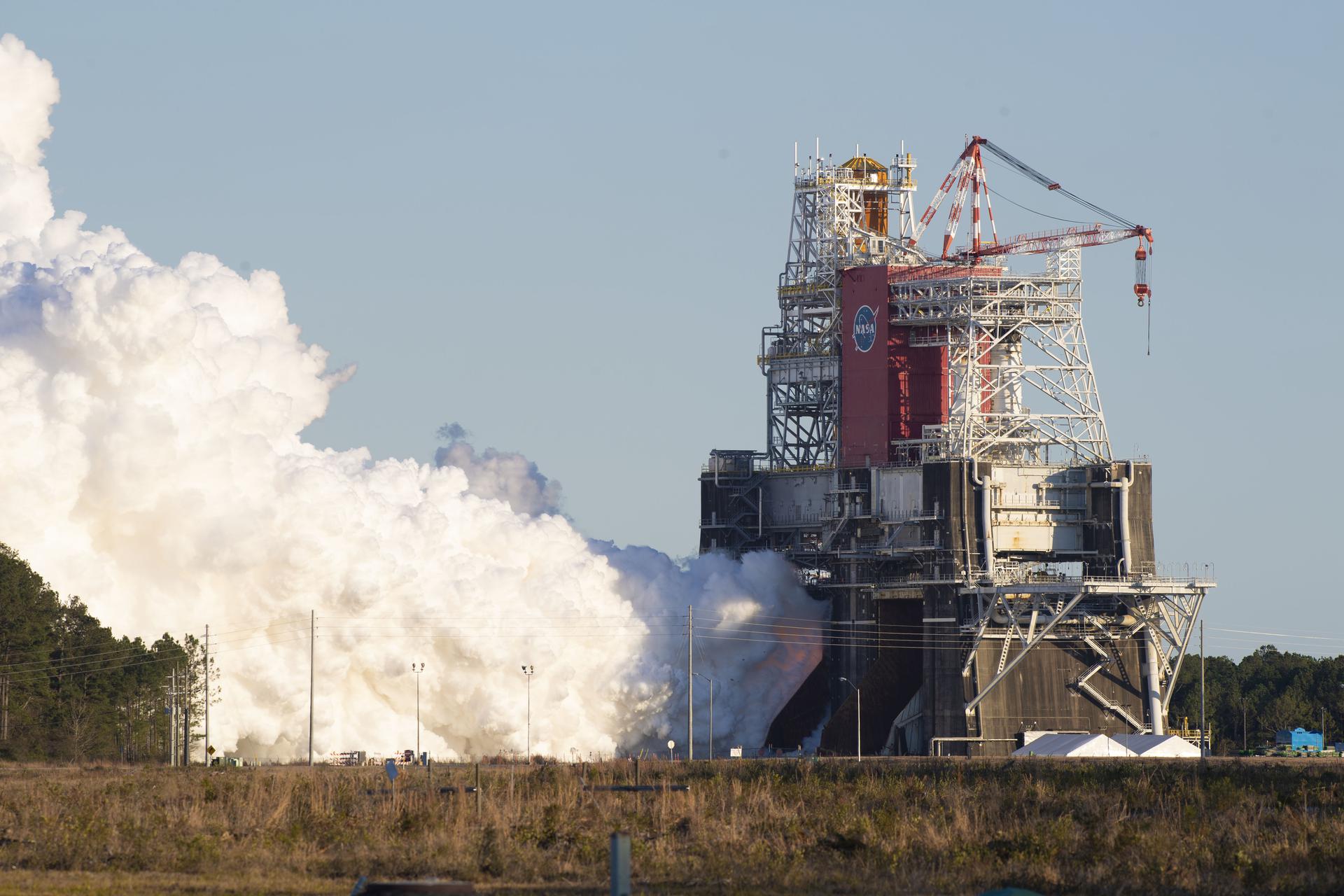
A spaceplane only pays off if you can build it at rate. The SKYLEAR Foundry puts design, printing, composites and hot-fire testing in one building, all fed by one digital thread.

Step 01
Every airframe starts as a physics-true twin, run through 40,000 simulated sorties before any metal is cut.
40k sim sorties / design
Step 02
Chambers, injectors, turbopump housings and precooler cores are printed in-house, which cuts part count by 78%.
−78% part count
Step 03
Robotic tow-steering lays carbon along the load paths, giving wing skins that are 30% lighter with no extra fasteners.
−30% skin mass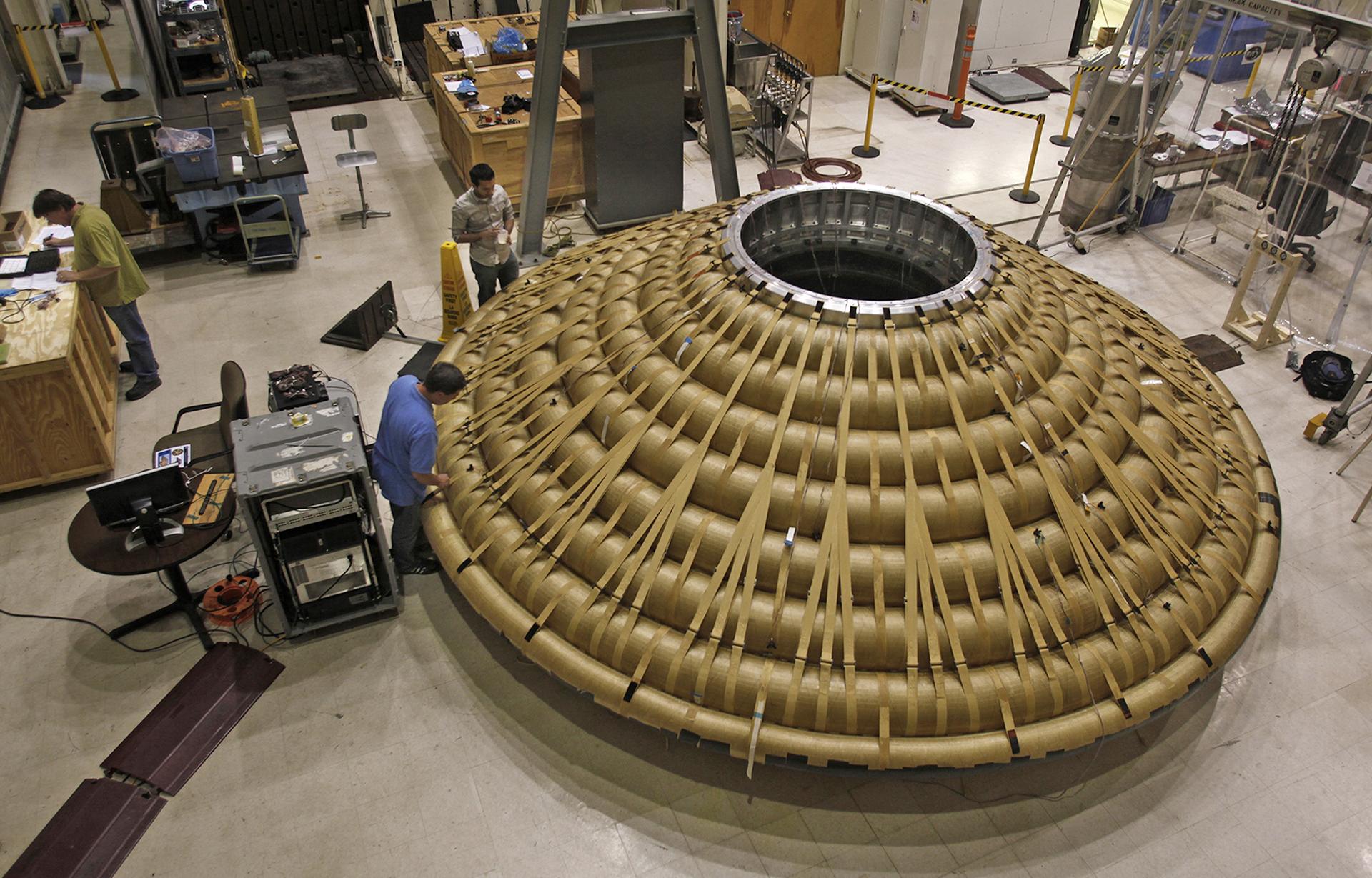
Step 04
Ceramic-matrix shells and printed ultra-high-temperature tiles survive re-entry at 1,650 °C, flight after flight.
1,650 °C reusable limit
Step 05
Pulse-line final assembly on the aircraft model, moving one station every 72 hours.
72 h takt time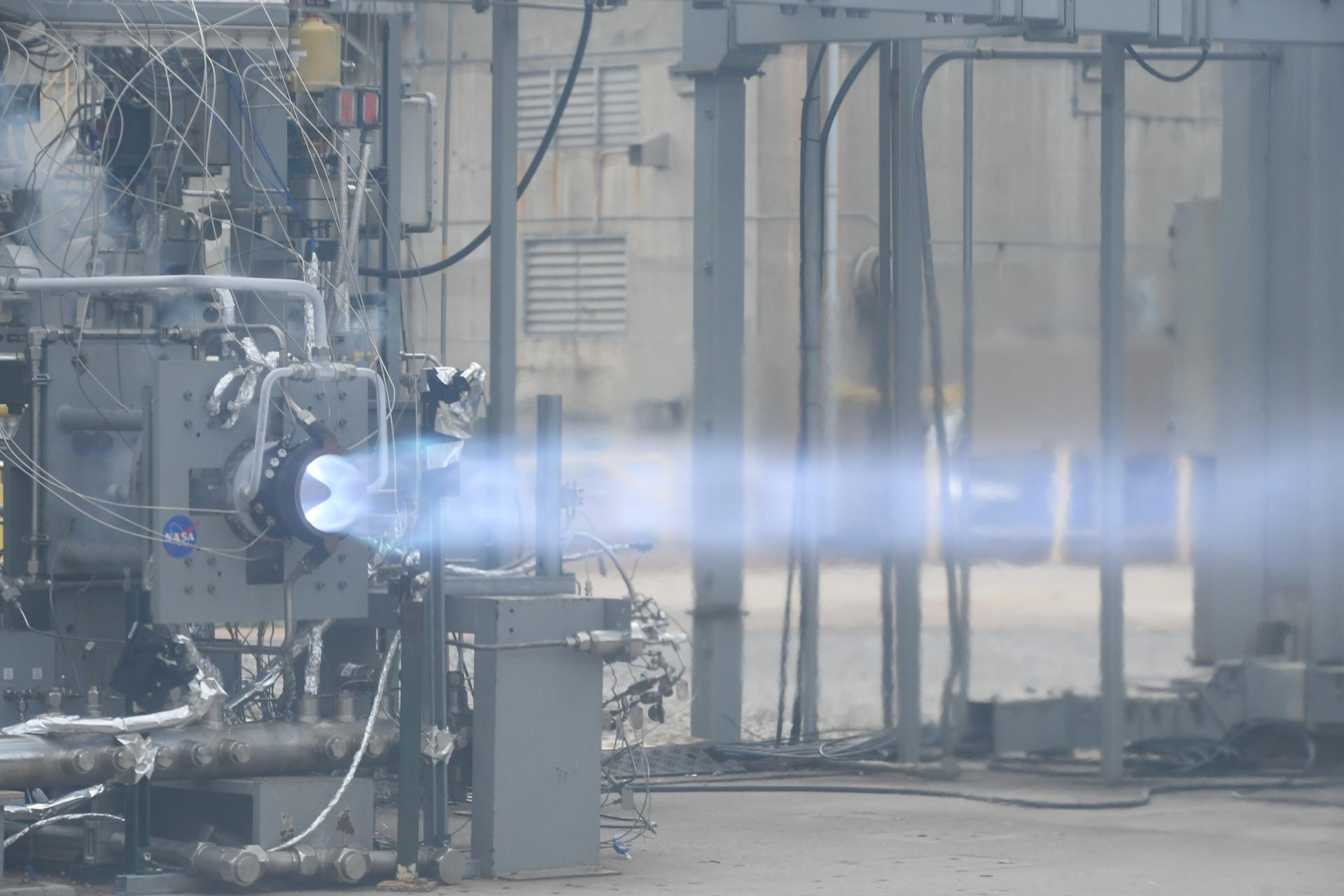
Step 06
Every engine is acceptance-fired on site. Every airframe flies a captive-carry and glide campaign before delivery.
100% acceptance firedFacility
SKYLEAR FoundryMojave, CaliforniaFloor area
1.1M ft²Design, print, lay-up, integrateTest stands
3Up to 450 kN thrustTarget rate
24 / yrAirframes by 203204 Missions

Civil

Defence

Orbital
04.1 Point-to-point
Pick two cities. ASTRA flies a suborbital arc above the atmosphere, so distance matters much less than it does for an airliner.
— faster, gate to gate
05 Universe Atlas
A live, 3D atlas at seven scales. It starts with every planet at its real position today, then widens to the nearest stars, the Milky Way, the Local Group and the cosmic web, out to the edge of the observable universe.
06 Ecosystem
Spaceflight is a team sport. These are the agencies, manufacturers, labs and foundations whose work SKYLEAR is designed to plug into.
Agencies & defence
Industry
Research
Foundations
These are organisations SKYLEAR plans to approach. Listing a name does not mean it is a partner, sponsor or endorser.
07 Journal
· Flight test

· Propulsion

· Materials
08 Careers
09 Contact